Fujifilm GFX 50S: Techart + Tilt Shift = The Best Camera For Architectural Photography

The Techart PRO is a compelling smart adapter and there are a few smart adapter options now for Fujifilm, but there aren’t a lot of reviews. It would be great if this review went beyond tilt-shift lenses since that is a nitch area of photography (he did a mini portrait comparison here), but the reviewer is very impressed with the adapters build quality and how well it operated even though it doesn’t entirely read the lenses names correctly. The Techart Pro performed surprisingly well with Canon Tilt-Shift lenses on the Fujifilm GFX 50S, but that’s helped by the increased image circle size inherent in tilt-shift lenses.

Techart PRO Canon EF
Canon 17mm Tilt-Shift: Very Usable
Canon 24mm Tilt-Shift: Very Usable
Canon 45mm Tilt-Shift: Might Want to Crop
Canon 90mm Tilt-Shift: Very Usable

The Canon 90mm tilt-shift performed the best of the lenses tested, while the Canon 45mm tilt-shift performed the worst. All, but the Canon 45mm tilt-shift were usable without cropping, but vignetting varied. Watch the full video for more details.

Join our Fujifilm GFX Owners Group, also follow the Fujifilm GFX Page to get more tailored news on Facebook and follow Fujiaddict on Facebook and Twitter.

Fujifilm GFX 50S: B&H Photo / Amazon / Adorama
Nikon D850: B&H Photo / Amazon / Adorama

Posted in Fujifilm GFX, Fujifilm GFX 50S| Tagged , , , , , , , , , , , , , , , , , , , , , , | Leave a comment

Camerajabber: Fujifilm GFX 50S vs Nikon D850 Comparison


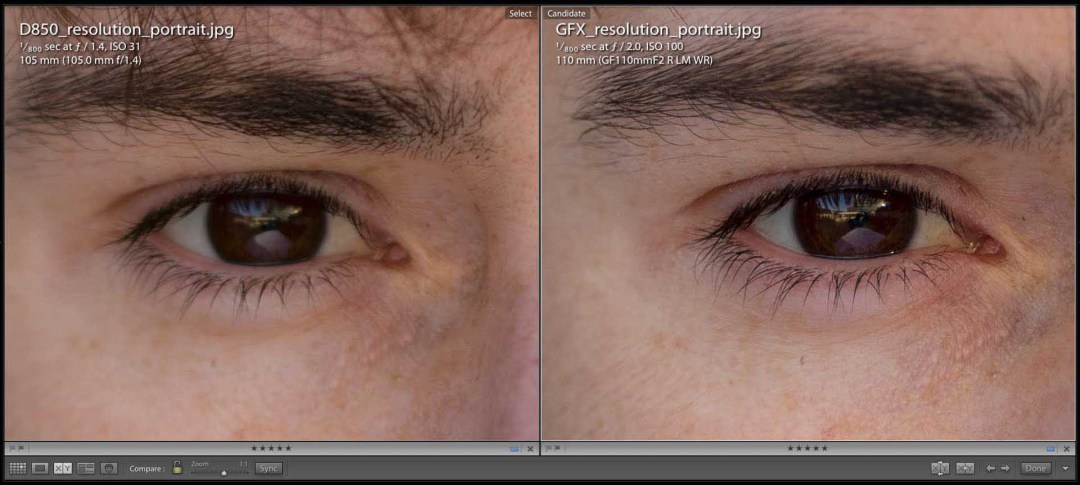
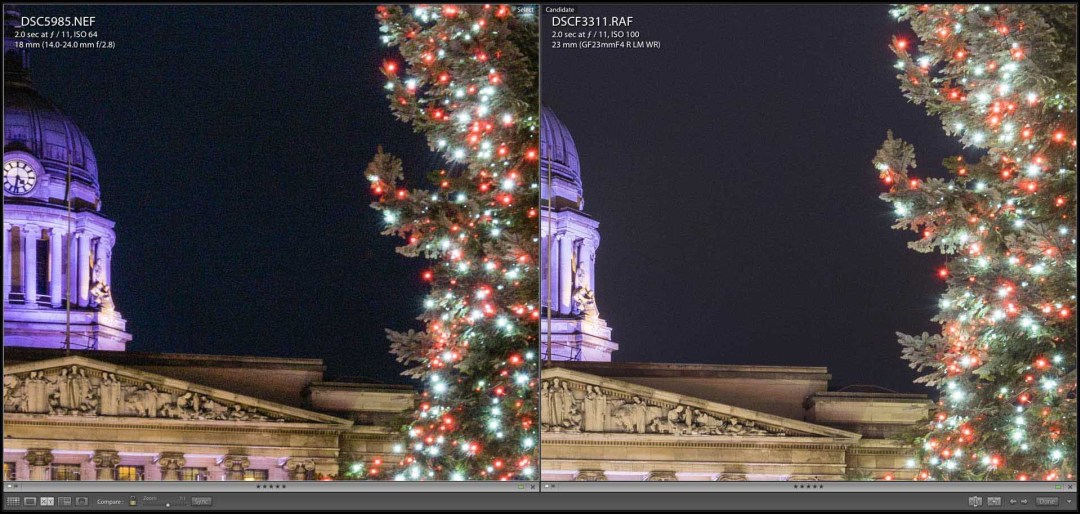
Camera Jabber did an extensive Fujifilm GFX 50S vs Nikon D850 comparison that goes into great detail about how these megapixel monsters cameras compare under multiple shooting scenarios. The Nikon D850 certainly does well, but it can’t quite keep up with the Fujifilm GFX when it comes to image quality if you’re a pixel peeper, but if you need autofocus performance the D850 wins hands down. I would have liked to have seen the Sony a7RIII included in this comparison with all the work involved, but I still do not think it can rival the GFX. In their words:

In our extensive testing, shooting landscapes and portraits in a wide range of environments and different lighting conditions, the Nikon D850’s image quality isn’t quite as good as the Fujifilm GFX 50S, but it’s not far off.

The most telling difference is sharpness and low light image quality.

When the GFX nails focus, it’s outrageously sharp and its low light jpegs at high ISO are cleaner in the shadows while its raw files can be pulled about more without a significant impact on noise.

The D850 remains amazingly good and at roughly half the cost of the GFX, compatible with the vast range of Nikon and third party lenses and accessories and the performance credentials to effortlessly shoot virtual any subject it’s a mouth-watering prospect.

While their testing is very good I wonder why they decided to go beyond just using the standard JPEG profile/RAW and I’m curious if this might account for the difference in shutter speed they ran into because Fujifilm’s film simulations can vary quite a bit. JPEG performance can be interesting, but I do not think photographers using a $6,500 body are shooting JPG very often. They also promoted the limited HSS misnomer that I have tried to disprove since the GFX launched, but most of their comparison is natural lighting, but these are small things. Check out the full comparison here.

Join our Fujifilm GFX Owners Group, also follow the Fujifilm GFX Page to get more tailored news on Facebook and follow Fujiaddict on Facebook and Twitter.

Fujifilm GFX 50S: B&H Photo / Amazon / Adorama
Nikon D850: B&H Photo / Amazon / Adorama


Posted in Fujifilm GFX, Fujifilm GFX 50S| Tagged , , , , , , , , , , , , , | Leave a comment

Fujifilm X-E3 vs Fujifilm X-T20

If you’re trying to choose between the Fuji X-T20 or Fuji X-E3 and are new to Fujifilm cameras this could be a very confusing decision to make. Photographers coming from other system are used to more segmentation, while people that are new to photography might not fully understand the differences in the utility of the design.

The Fujifilm X-T20 is very much a light DSLR style replacement camera with an articulating screen that takes great images similar to any other Fujifilm camera, while the X-E3 has some modern features like Bluetooth for geotagging and a rangefinder style build for those that prefer right eye shooting. The Fujifilm X-T20 also had additional buttons and dials compared to the Fujifilm X-E3, which can make your interaction with the camera more or less enjoyable depending on your shooting style.

Both cameras are great and I personally prefer the Fujifilm X-E3, but it would be a third Fujifilm body for me. If you’re buying your first Fujifilm body the Fujifilm X-T20 might be the better choice, especially if you want to use more professional Fujifilm bodies in the future like the Fujifilm X-T2, X-H1 or GFX. Starting with a camera like the X-T20 will prepare you to move up the Fujifilm line, while the Fujifilm X-E3 is a more nitch design.

Mirrorless Comparison – The 10 Main Differences Between the Fujifilm X-E3 and X-T20

Mirrorless Comparison – Fujifilm X-E3 vs. X-T20 – The complete comparison

imaging-resource – Fujifilm X-E3 vs. Fujifilm X-T20

apotelyt – Fujifilm X-T20 versus Fujifilm X-E3

Follow us on FacebookTwitterInstagramYouTube

Fujifilm News, Rumors, and Collaboration
Fujifilm X-H Owners Group
Fujifilm XE Owners Group

Fujifilm X-E3: B&H Photo / Amazon / Adorama
Fujifilm X-T20: B&H Photo / Amazon / Adorama

Posted in Fujifilm X-E3, Fujifilm X-T20| Tagged , , , , , , , , , , | Leave a comment

Fujifilm XH-1: My First Impressions and Comparison Photos


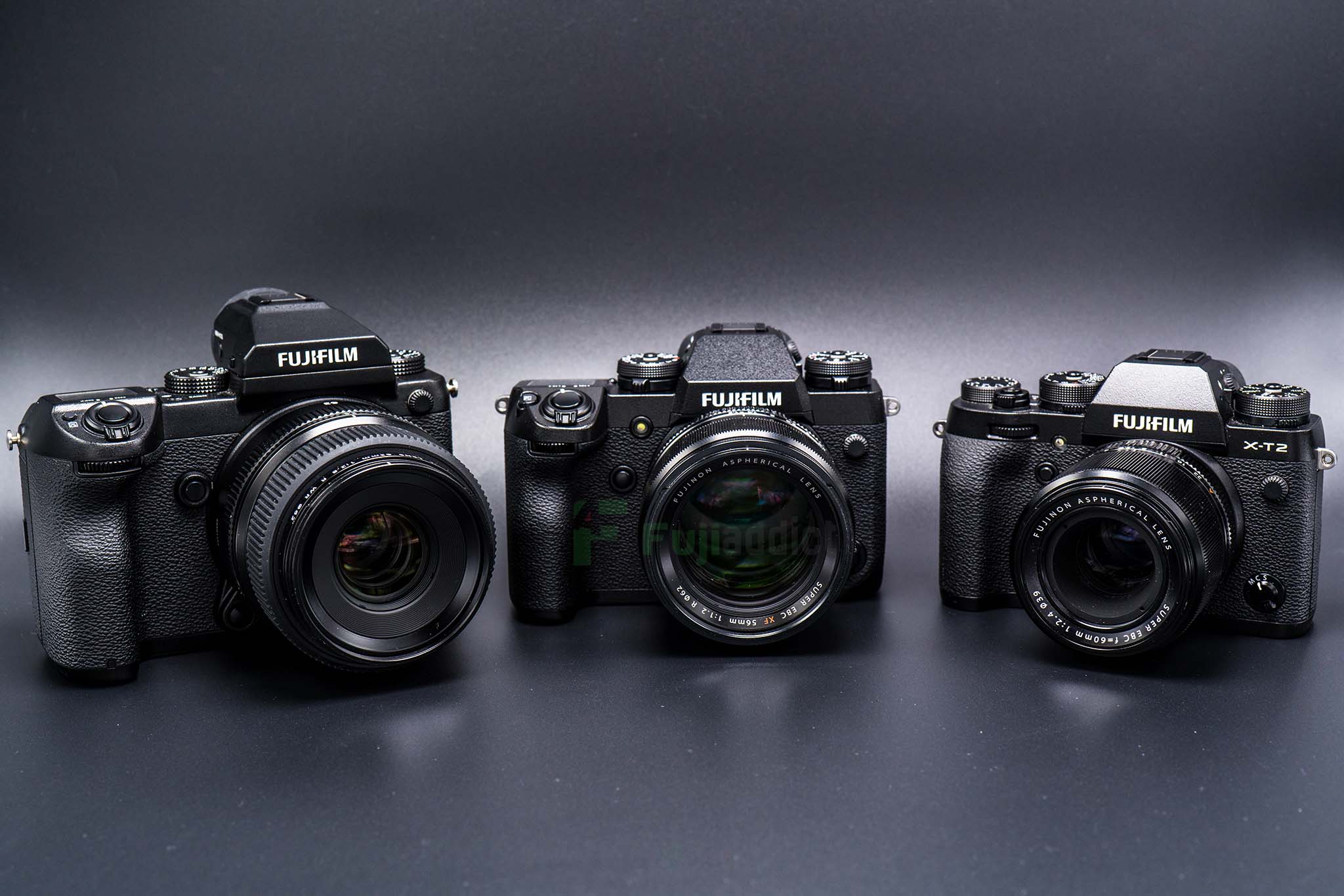
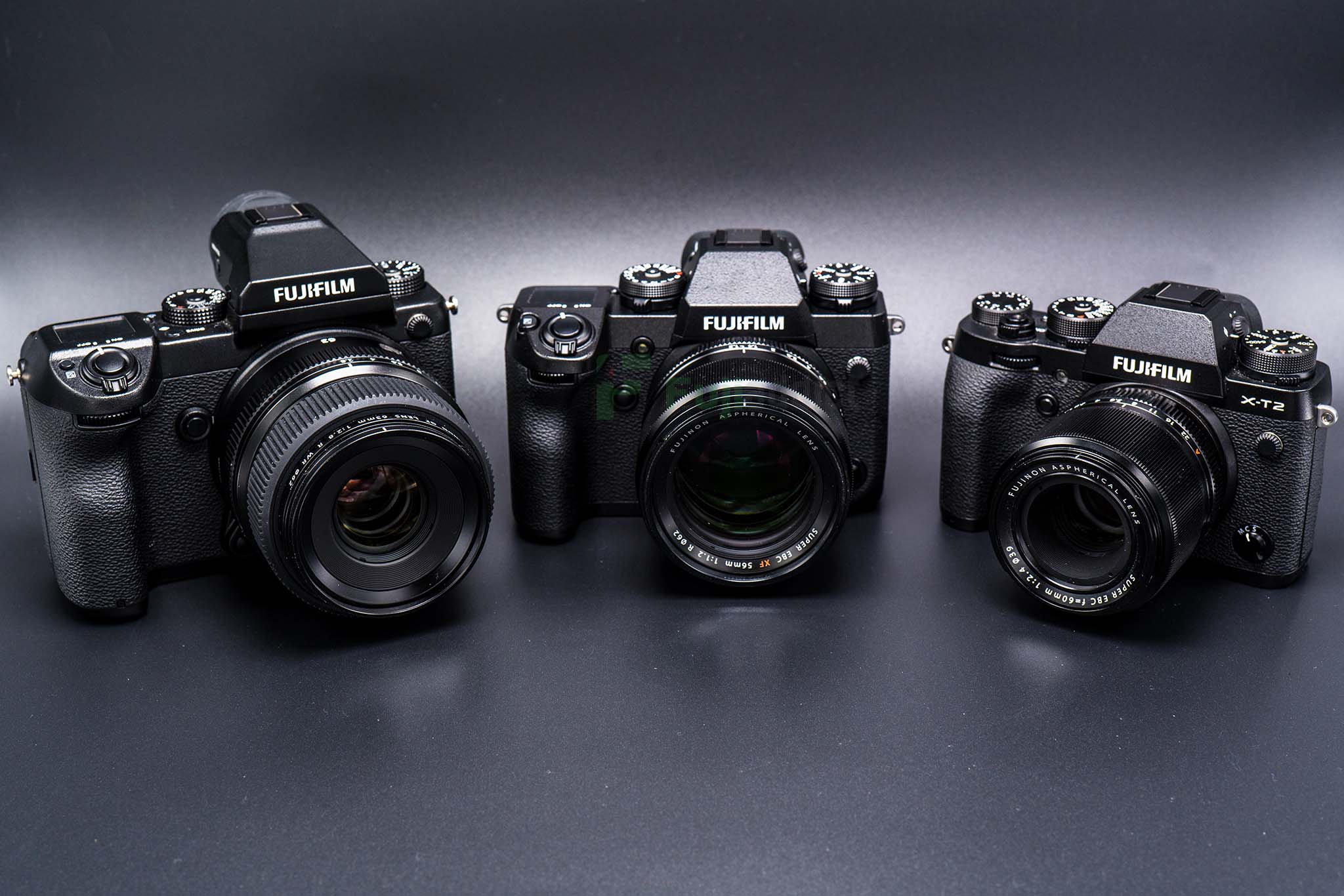
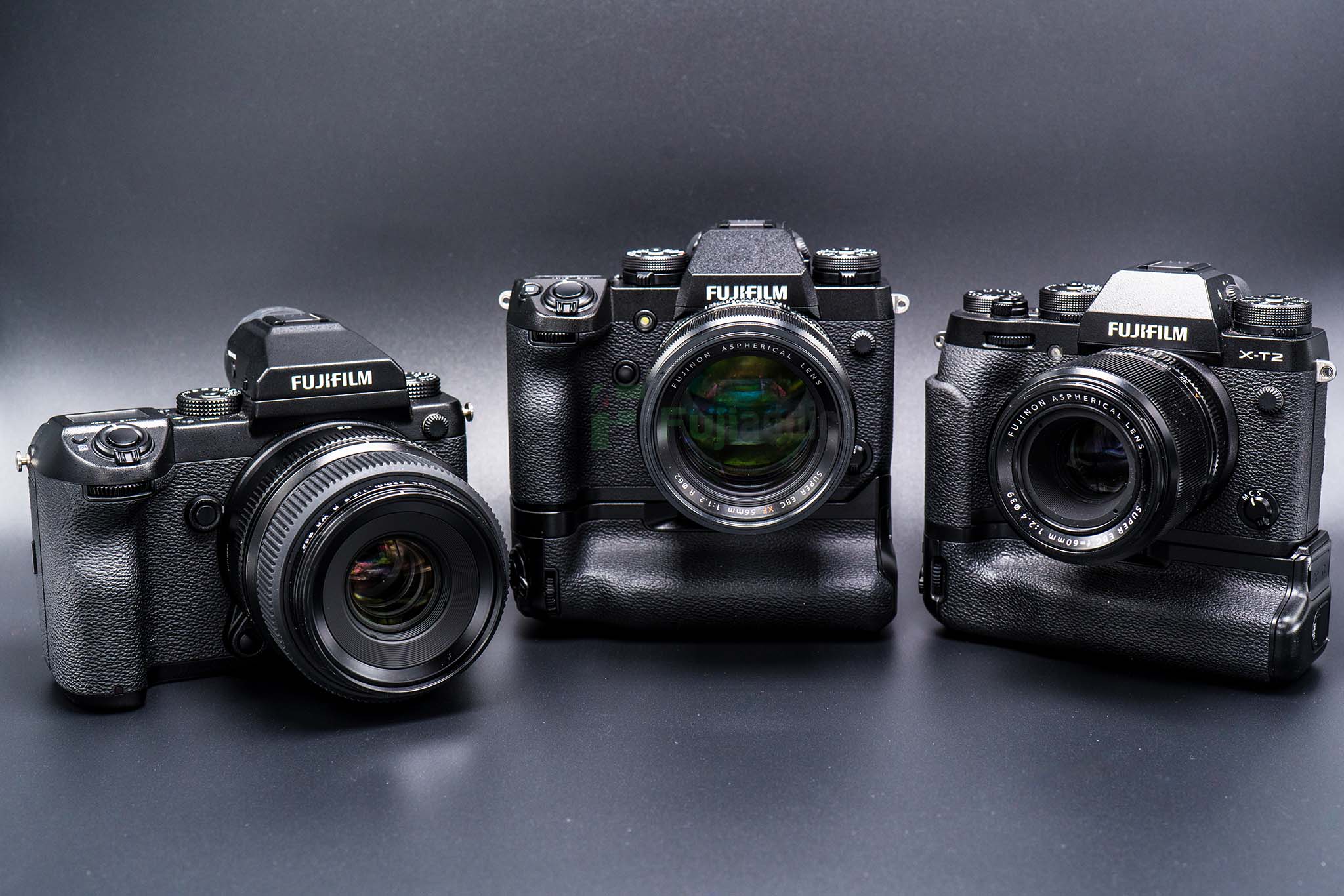
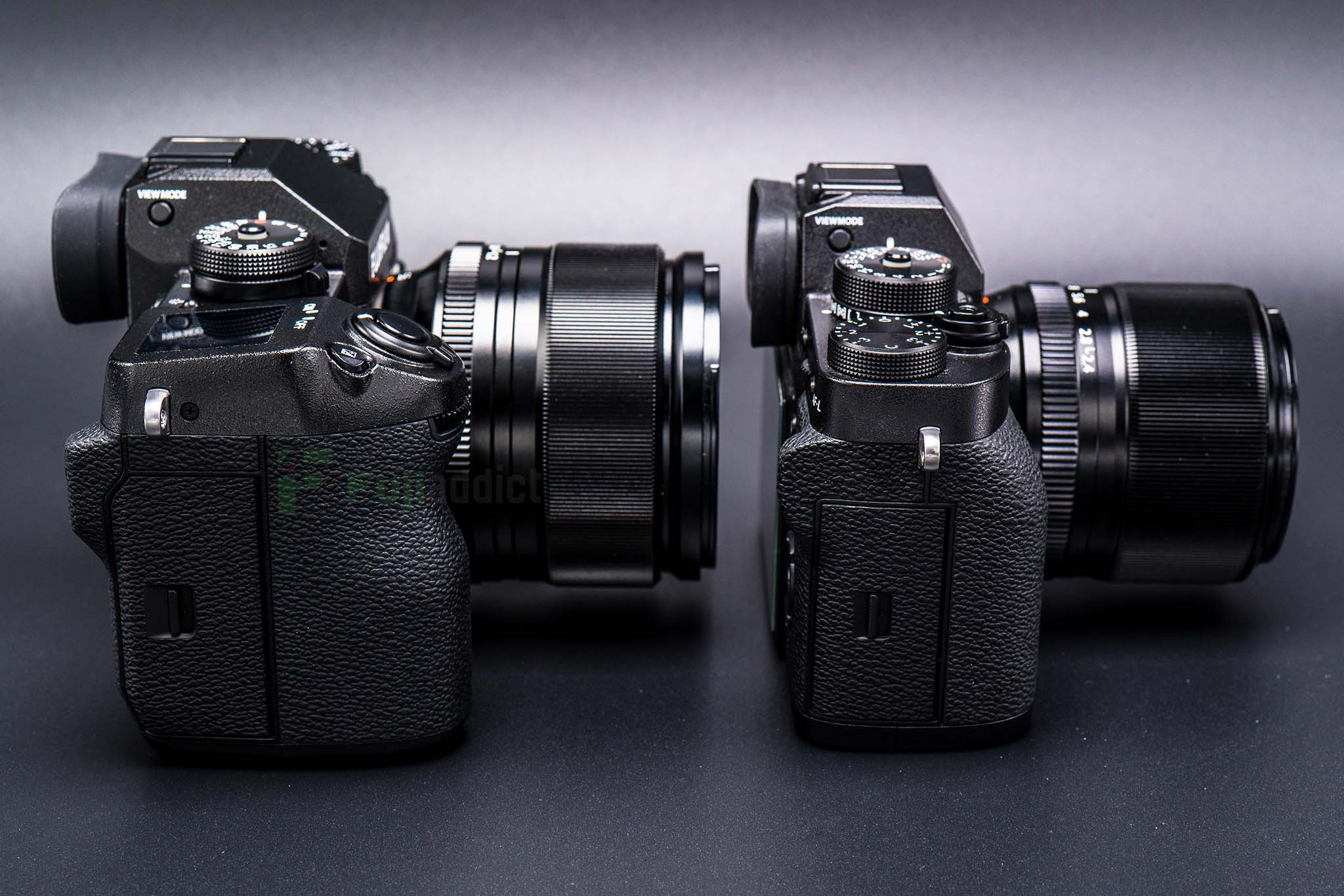
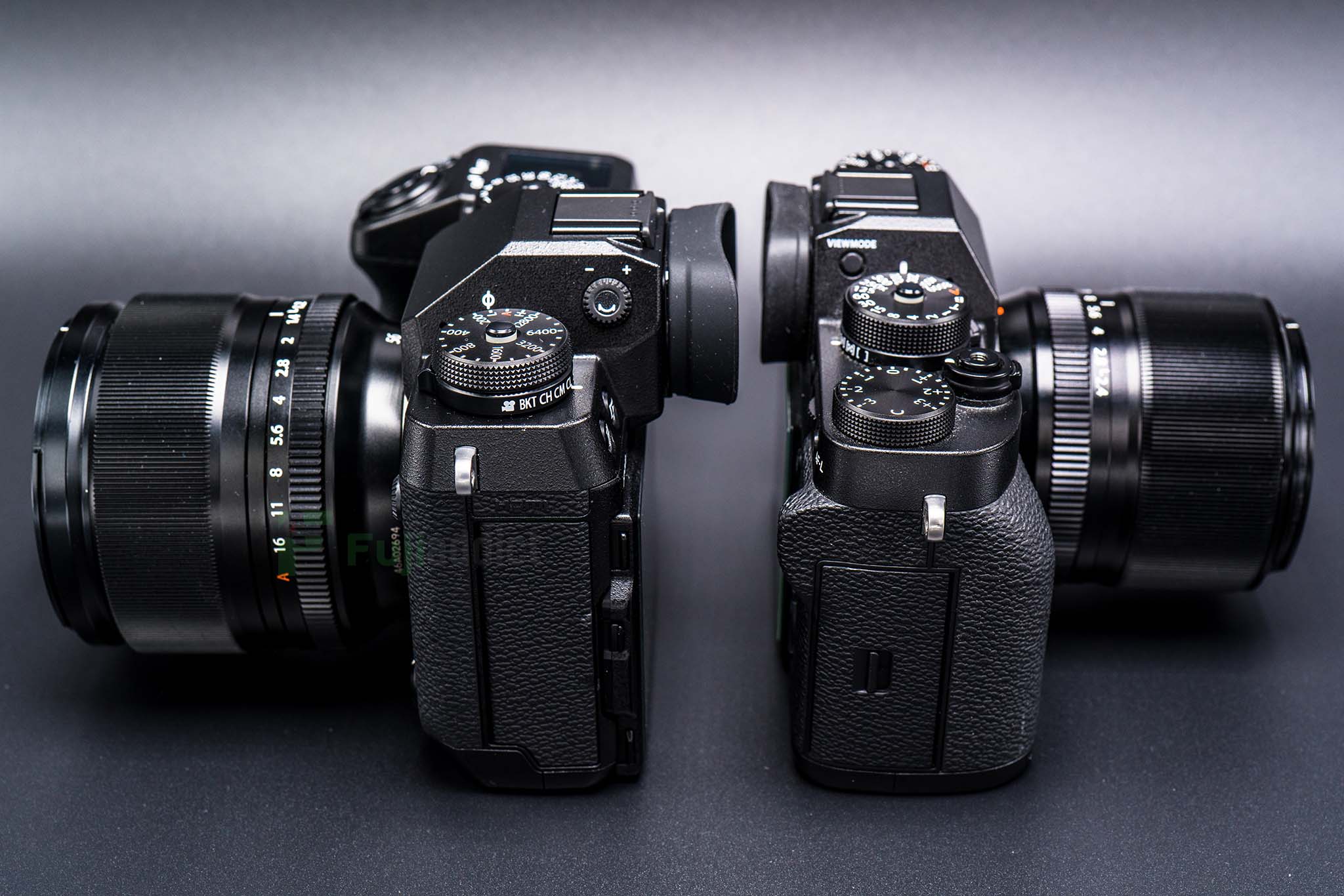
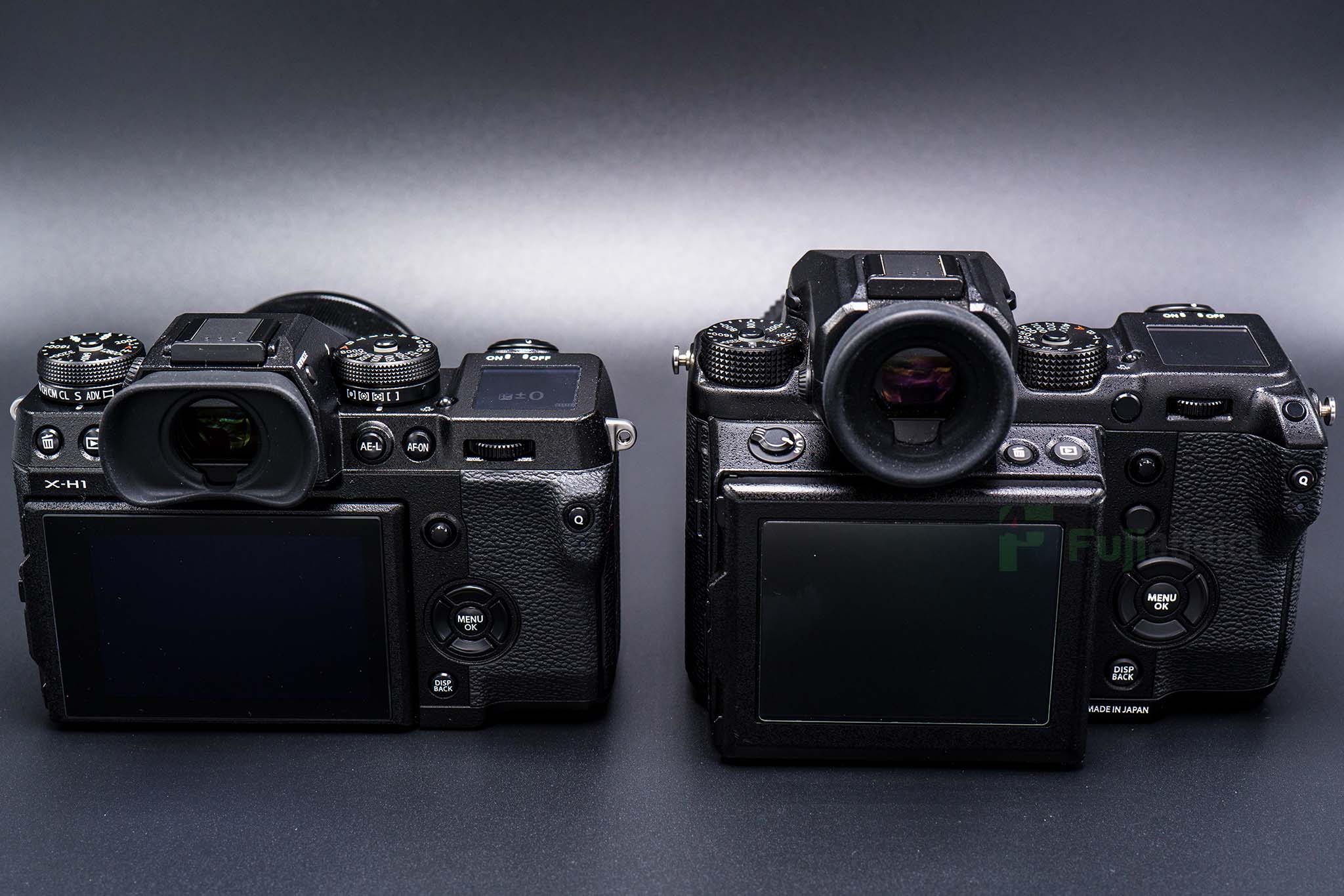
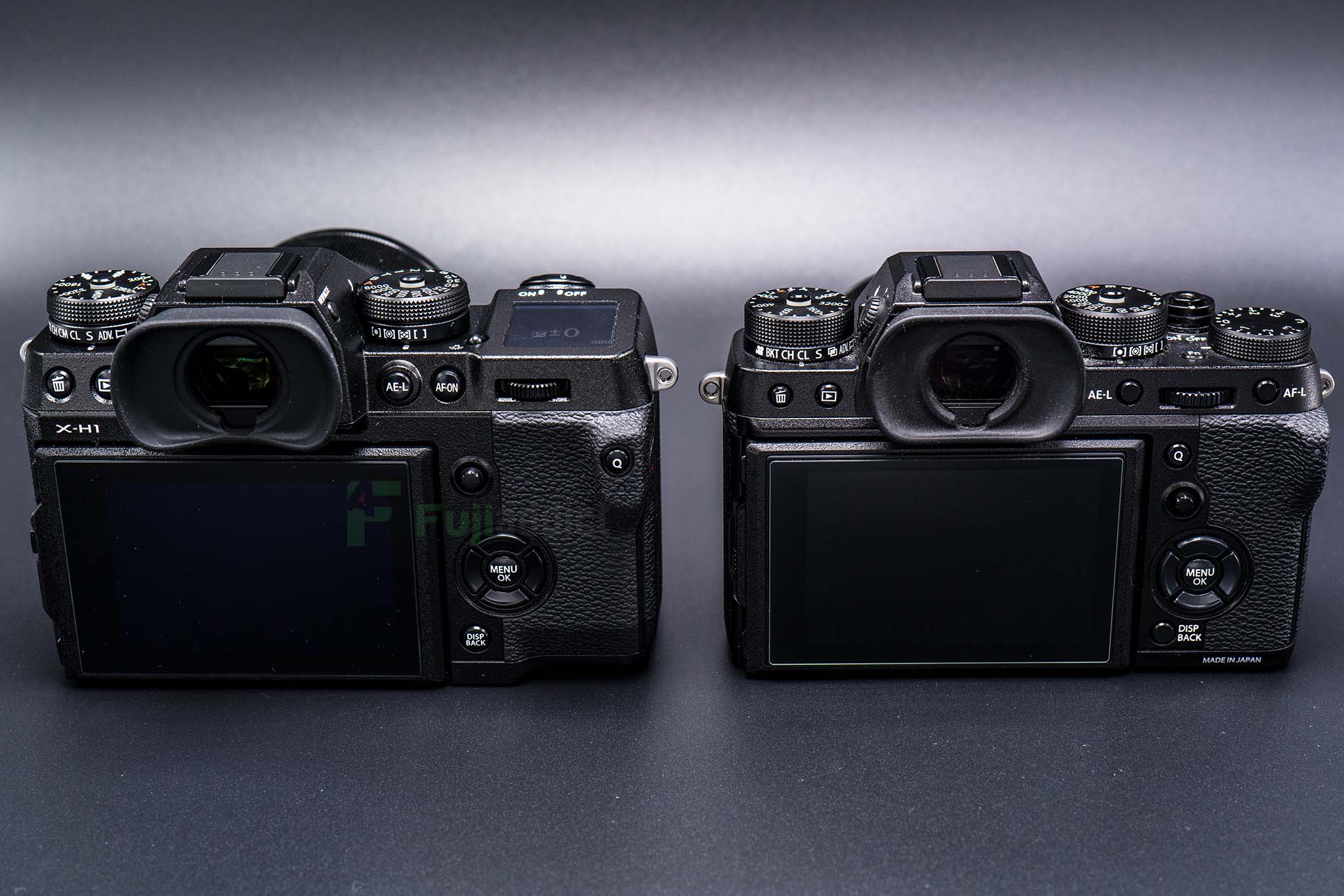
I received the Fujifilm X-H1 yesterday and it’s a very interesting camera. As expected it performs very much like my Fujifilm X-T2 and the grip is nice, but a little flawed without the battery grip for someone with my sized hands. The Fujifilm GFX50S fits my hand perfectly without a battery grip because the built-in grip is a little longer than the Fuji X-H1 grip. I have a similar issue with the Fujifilm X-T2, but I can wrap my pinky under the camera fully and find a more comfortable shooting position, but the X-H1 design makes me push my hand up and off the camera to reach everything easily.

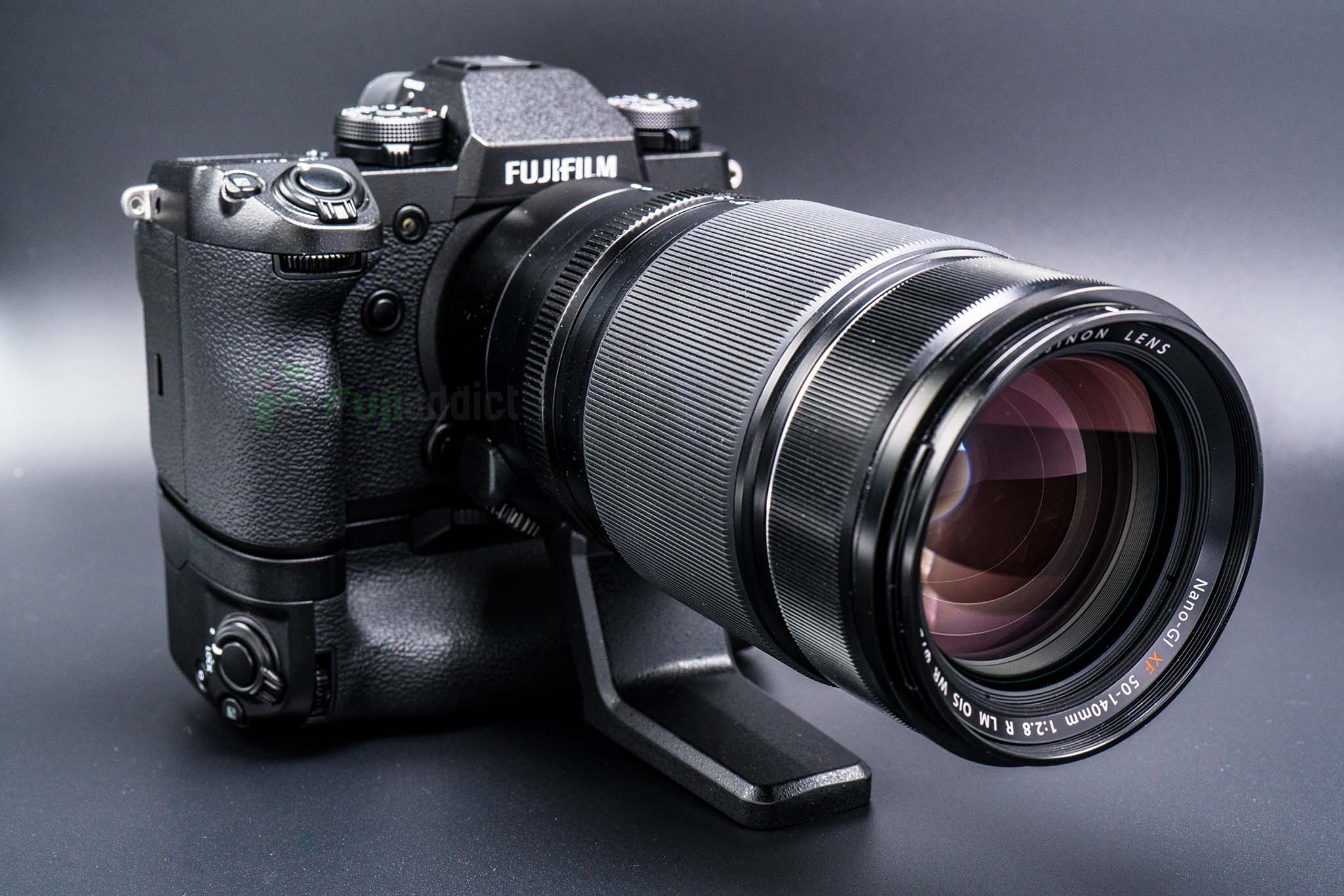
The Fuji X-H1 does have a far better fit and finish than the Fuji X-T2, which I found a bit surprising. The X-H1 really didn’t feel much heavier than the XT-2 until I attached the Fujinon XF 50-140mm f/2.8 R LM OIS WR. Larger Fujifilm lenses balance very well on the X-H1, but they no longer sit flat on a table like they once did with cameras like the Fujifilm X-T2.

The only other major difference I have experienced so far is how easy Fujifilm made camera setup with the X-H1 thanks to the app and Bluetooth. Bluetooth seems to work very well on the Fujifilm X-H1 and I look forward to using the app for geotagging. I am glad Fujifilm is making an effort to improve their app, but I really want to see them improve the app for wifi cameras also, because geotagging can be very useful.

Now that I have a camera in hand I will be doing some testing of my own to see how it performs and maybe it will convince me that it’s truly an upgrade over the Fujifilm X-T2 or X-Pro2.

Full Resolution Product Photos on 500PX

Follow us on FacebookTwitterInstagramYouTube

Fujifilm X-H1 News, Rumors, and Collaboration
Fujifilm X-H Owners Group
Fujifilm X-H Page

Posted in Fuji X-T2, Fujifilm GFX, Fujifilm GFX 50S, Fujifilm X-H1| Tagged , , , , , , , , , , , , , , , , , , , | Leave a comment

Fujifilm XH1 vs Panasonic GH5 vs Sony A7SII

Vistek released a pretty definite comparison of video performance between the Fujifilm XH1 vs Panasonic GH5 vs Sony A7SII, with one caveat he isn’t working with a properly color calibrated screen or using a monitor really designed for color work. The vast majority of videographers probably fall into this group of people, but it is something to take into consideration.

Hypergamma Testing – Winner X-H1

  • ETERNA – Great latitude in color, very impressed and got some highlight detail back
  • Cine-D Profile – Most shadow detail, but highlights are blown out, mid tones are milky and toxic orange color, which takes a long time to correct
  • PP5/Cine3 – Highlights are super clippy and least amount of dynamic range of the 3 cameras, but skin highlights survived easily

Log Without Resolve Being Color Managed – Winner SLog3, but F-Log might be better if fully supported

  • F-Log – ETERNA Log was “banging” and couldn’t be recreated manually.
  • L-Log L – Only 10-bit log out of the 3 and he used the Varicam 35 LUT to work with the footage, but the red channel can get out of control and the footage can get muddy
  • SLog3 – Used a series of XDCAM-User LUT files that make it very easy to tweak

High ISO – Sony Wins because the Sony a7SII was designed to win this hands down, but not great for photography.

  • Fuji – Still ok at 12,500
  • Sony – Superior 12,500
  • Panasonic – Useless by 6,400

Autofocus – Sony Wins

  • X-H1 – Bit of tweaking to get the autofocus working well, but not as great as the Sony
  • GH5 – It works, but not great
  • a7SII – Snappy and accurate

IBIS – Panasonic Wins

  • X-H1 – Better than the Sony, but not the GH5
  • GH5 – The Best
  • a7SII – The worst of the batch

High Frame Rate – Hard to say from what he choose to shoot so just enjoy the video

Design and Layout – X-H1 or GH5

  • X-H1 – Great button layout and very intuitive
  • GH5 – Great button layout and very intuitive, plus it’s the only camera for vloggers
  • a7SII – Sony has a horrible unintuitive layout that you never get used to

There really is no overall winner, but the Fujifilm X-H1 is a serious competitor. I am kind of surprised he didn’t bring up the price of the Panasonic GH5, which can now be criticized with the release of the Fujifilm X-H1 for less. Micro Four Thirds cameras have been getting incredibly expensive in recent years and the GH line of cameras used to be relatively affordable, with the OM-D taking the brunt of the criticism, but now Panasonic might have to rethink their strategy with the release of the Fuji X-H1.

The Fujifilm X-H1 looks like it is going to really shake up the professional video market and it is a great start from Fujifilm. It’s too bad Fujifilm couldn’t wait for the new sensor that will be in the Fujifilm X-T3 because then they could have features like 4k 60p, which the GH5 has and maybe even 10-bit recording. Smaller sensors almost always have a technological advantage, but the Fujifilm X-H1 is an incredible value for the vast majority of videographers/cinematographers, but if you’re a photographer the Fujifilm X-T2 should do for now.

Follow us on FacebookTwitterInstagramYouTube

Fujifilm X-H1 News, Rumors, and Collaboration
Fujifilm X-H Owners Group
Fujifilm X-H Page

X-H1 Camera: B&H Photo / Amazon / Adorama
X-H1 Body with Battery Grip Kit: B&H Photo / Amazon / Adorama
VPB-XH1 Vertical Power Booster Grip: B&H Photo / Amazon / Adorama


Posted in Fujifilm X-H1, Fujifilm X-T3| Tagged , , , , , , , , , , , , , | Leave a comment

FUJIFILM Corporation receives a favorable Final Determination in United States ITC case against Sony Corporation


FUJIFILM Corporation receives a favorable Final Determination in United States ITC case against Sony Corporation

March 9, 2018

FUJIFILM Corporation (President: Kenji Sukeno) announced today that the company received a favorable Final Determination in its United States International Trade Commission (ITC) case against Sony Corporation. The ITC affirmed the ruling by Administrative Law Judge David P. Shaw in favor of issuing a limited exclusion order and a cease and desist order directed at Sony Corporation and its affiliates. The ITC found that Sony is unlawfully importing into the United States certain magnetic data storage cartridge products that infringe Fujifilm’s U.S. patent.

Based on the favorable Final Determination and following a sixty (60) day Presidential review period, Customs and Border Protection will specifically prohibit from importation into the United States Sony’s infringing products, at least including its Linear Tape Open (LTO)* Ultrium 7 cartridges.

Fujifilm is confident that it has sufficient capacity to satisfy demand for LTO-7. Furthermore, Fujifilm is committed to offering unprecedented technology at competitive pricing as it fully understands that other storage options are available to its customers.

Fujifilm has made, and will continue to make, significant investments in R&D and United States manufacturing to advance tape technology. Fujifilm will continue to vigorously protect its domestic industry and intellectual property.

*Linear Tape-Open, LTO and Ultrium are trademarks of the Technology Provider Companies (TPCs).

Via Fujifilm

Posted in Press releases| Tagged , , , , | Leave a comment