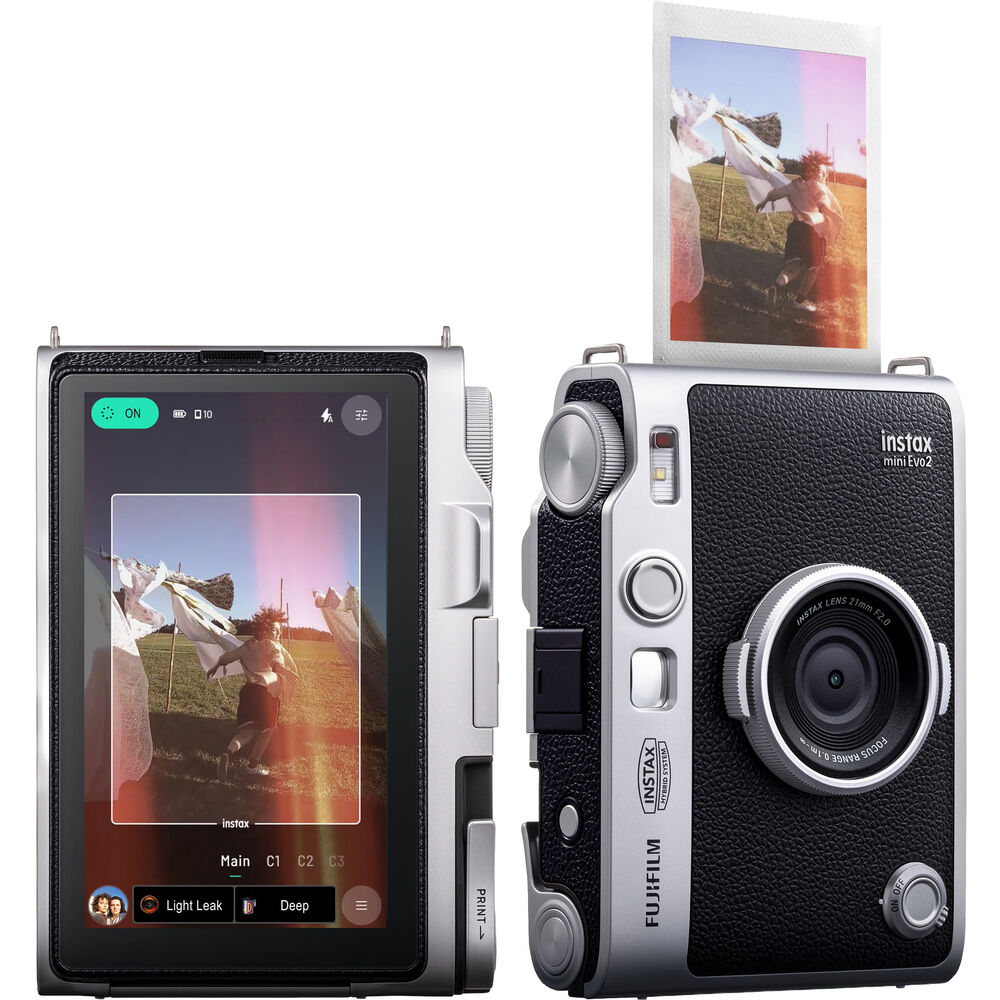
instax Mini Evo 2: B&H Photo / Amazon / Adorama
The FUJIFILM instax mini EVO 2 Hybrid was announced earlier today, and you can find some of the video reviews/previews/hands-on/etc… below:


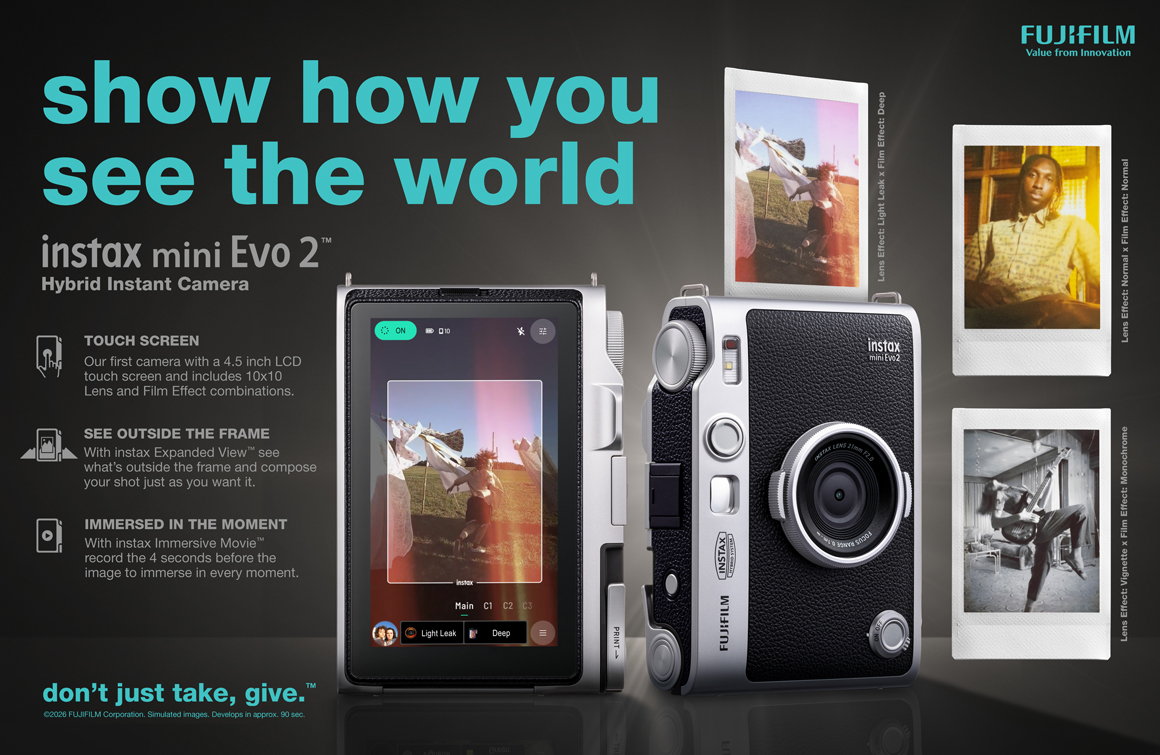
instax Mini Evo 2: B&H Photo / Amazon
Featuring the first-ever touchscreen LCD monitor in the instax™ series for an even more immersive shooting experience
More than doubles the maximum image resolution of the current model for enhanced digital camera performance
TOKYO, October 27, 2026 – FUJIFILM Corporation announces the launch of the latest model in the instax™ hybrid instant camera “instax™ Evo” series, the “instax mini Evo 2™” (mini Evo 2), on November 27, 2026 onwards.
The “instax™ Evo” series is a hybrid instant camera that allows users to take pictures while viewing the LCD monitor on the back of the camera, select their favorite shots to print, and also use the camera as a smartphone printer. The series is known for its immersive shooting experience, enabled by a wide range of creative effects.
The “mini Evo 2” is a new addition to the “instax™ Evo” series, further evolving the “instax mini Evo™” (“mini Evo”), which has been a global sensation since its launch in 2021. While inheriting the premium and classical design, analog-like operability, and 100 shooting effects created through the combination of 10 Lens Effects and 10 Film Effects, the “mini Evo 2” delivers an even richer shooting experience through enhanced image quality, improved operability, and the introduction of new features.
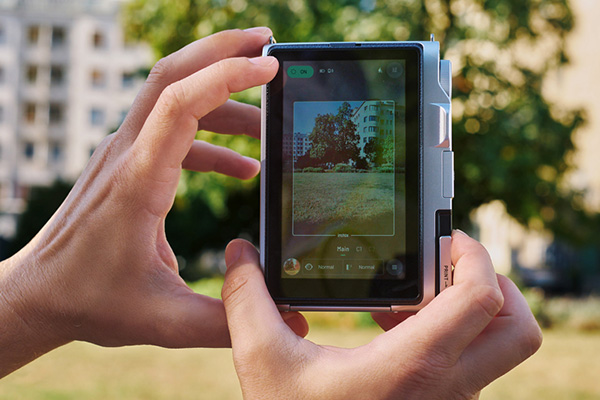
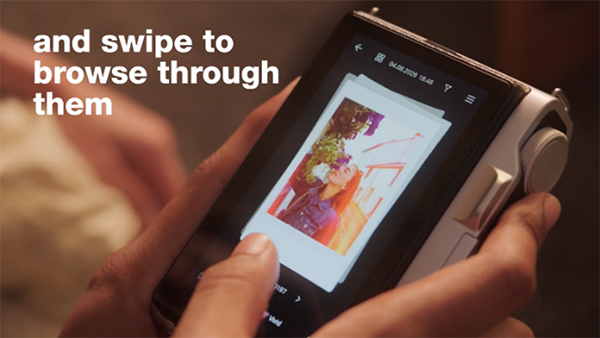
The “mini Evo 2” features a large 4.5-inch LCD monitor, approximately 1.5 times larger than that of the “mini Evo,” delivering excellent visibility and a highly immersive viewing experience. In addition, it is the first model in the instax™ series to incorporate a touchscreen LCD monitor, enabling intuitive operation and easy adjustment of various settings. The maximum image resolution has also been increased to 13 megapixels*1, more than double that of the “mini Evo.” Together with its instant camera functions, the enhanced imaging performance further elevates the value of the “mini Evo 2” as a digital camera.
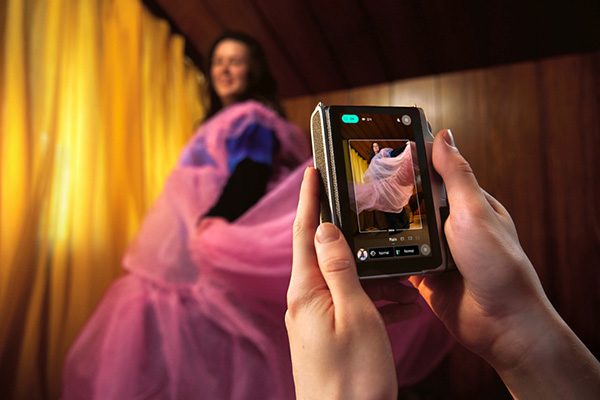
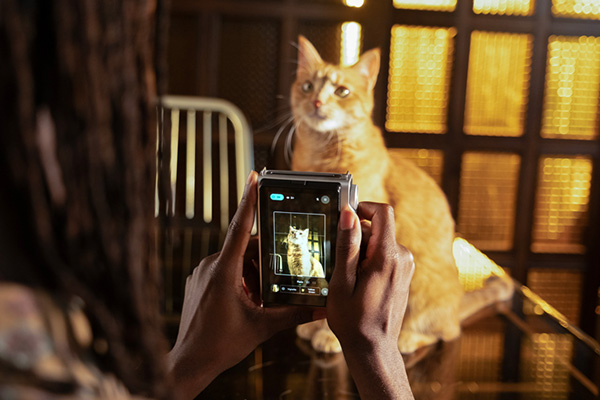
The “mini Evo 2” also introduces the new “instax Expanded View™” mode, which displays an area slightly wider than the actual print area during shooting. Users can easily check the scene beyond the print frame while composing a shot, making it easier to capture the perfect moment and achieve the desired composition, even when photographing moving subjects.
In addition, the “mini Evo 2” features the new “instax Immersive Movie™” function, which records the moments leading up to the shutter release as a five-second video. Users can preserve the story behind a photograph, from changes in a subject’s expression to the movement of the surrounding scenery, capturing the moments before a single image comes to life. Videos can be easily downloaded via the dedicated app*2, enabling users to vividly revisit the atmosphere and memories of the shooting experience. They can also be shared with others, allowing even those who were not present to experience the mood and excitement of the moment.
These new features, enabled by the large LCD monitor, further enrich the instax™ experience, from shooting and printing to sharing and revisiting memories.
Fujifilm will continue to expand the world of the instax™ instant photo system that allows people to enjoy on-the-spot photo printing.
*1 High-resolution shooting at 13 megapixels requires the use of a microSD card.
*2 A free app for Android and iOS devices. It is available for download from Google Play for Android devices and from App Store for iOS devices. Android and Google Play are trademarks or registered trademarks of Google Inc. iPhone and App Store are trademarks of Apple Inc. The iPhone trademark is used in Japan under license from Aiphone Co., Ltd. The iOS trademark is used under license from Cisco in the United States and other countries.
| Product Name | Release Date | Price |
|---|---|---|
| (1) Hybrid instant camera “instax mini Evo 2™” | November 27, 2026 onwards | Open |
| (2) Camera case for the “instax mini Evo 2™” | Early December, 2026 |
While inheriting the premium and classical design of the “mini Evo,” the camera body incorporates a refined curved form and a lens ring designed for a comfortable grip, creating a sophisticated and high-quality appearance. Analog-like operability is further enhanced through satisfying tactile feedback and distinctive clicking sounds from controls such as the dials and print lever. Together, these design and operational elements combine to deliver the unique shooting experience of the “instax™ Evo” series, inviting users to enjoy interacting with the camera time and time again.
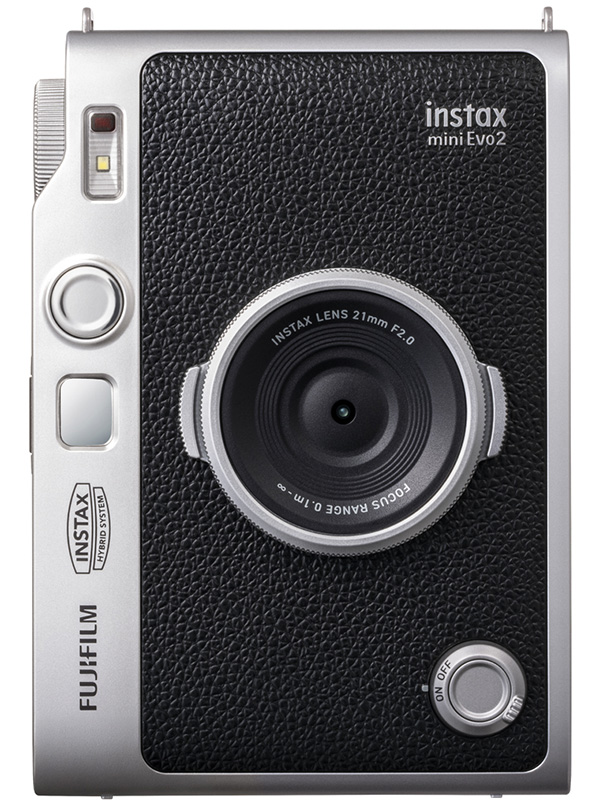

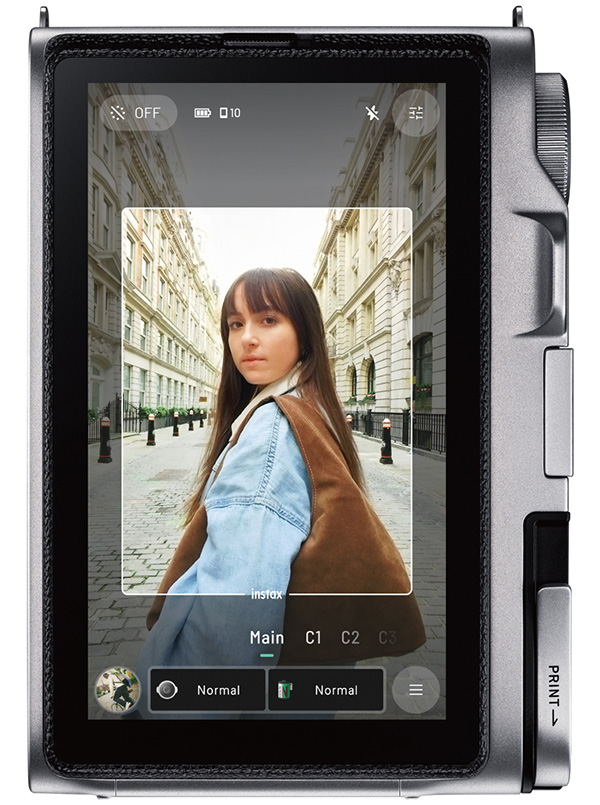
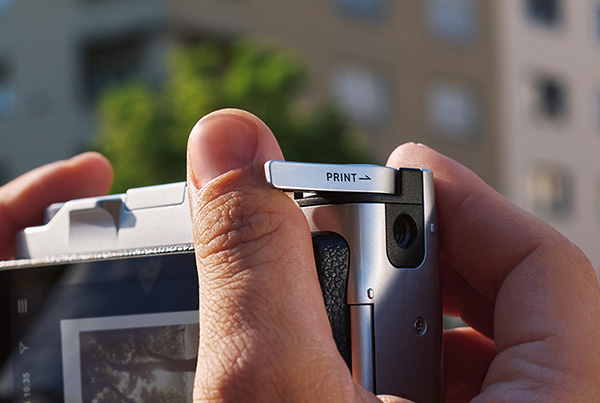
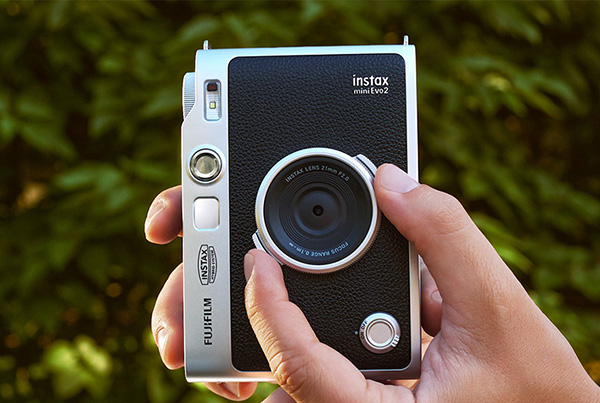
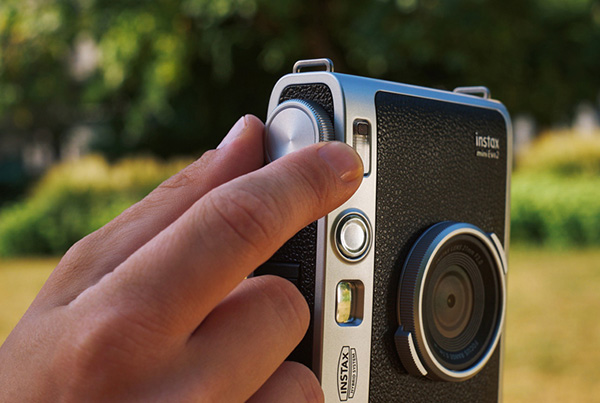
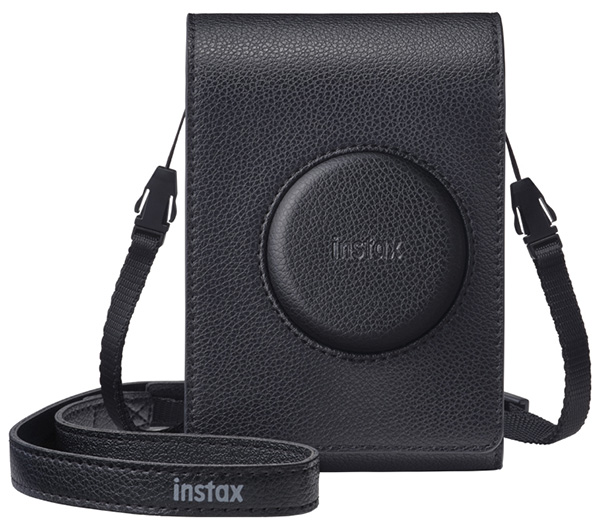

Quick-shot camera case for shooting without removing the camera from the case
*3 Maximum image resolution when using a microSD card with the “instax Expanded View™” mode turned off.
With the “instax Expanded View™” mode, the LCD monitor displays an area slightly wider than the actual print area. Users can better time their shots as subjects move into the frame, making it easier to capture moving subjects with the desired composition at the perfect moment. The mode gives users greater freedom to focus on both framing and timing, enabling them to create images that reflect their individual style.
Capture images with greater control over composition and timing
The “instax Immersive Movie™” function records the moments leading up to the shutter release as a five-second short video. Users can capture the story behind a photograph, from the process of composing a shot to the atmosphere just before the shutter is pressed and subtle changes in a subject’s expression. The recorded videos can be viewed directly on the camera or transferred to the dedicated app for download to a smartphone. Saved in a vertical 9:16 format, the videos are also ideal for sharing on social media.
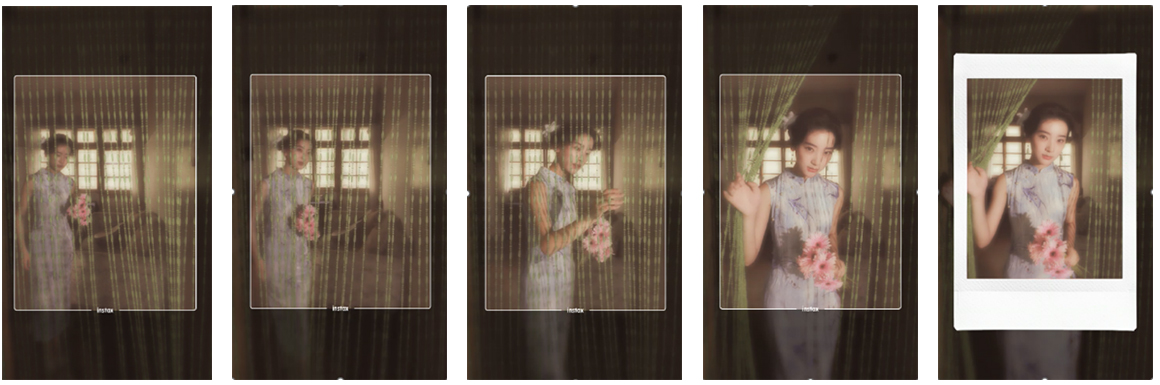
instax Immersive Movie™(5 sec.)
Some of the popular Lens Effects and Film Effects from the current “mini Evo” have been updated. The camera features 10 Lens Effects, including “Afterimage,” which creates a striking sense of motion and atmosphere, and “Soft Focus,” which delivers a gentle, dreamy look, as well as 10 Film Effects, including “Yellow Green” for a light and airy mood and “Deep” for a calm, subdued tone. By freely combining these effects, users can enjoy 100 Shooting Effects, enabling a wider range of photographic expression and allowing them to express their individuality through instax™ prints.



*4 The Bluetooth® word mark and logo are registered trademarks owned by Bluetooth SIG, Inc. and FUJIFILM Corporation uses these marks under license.
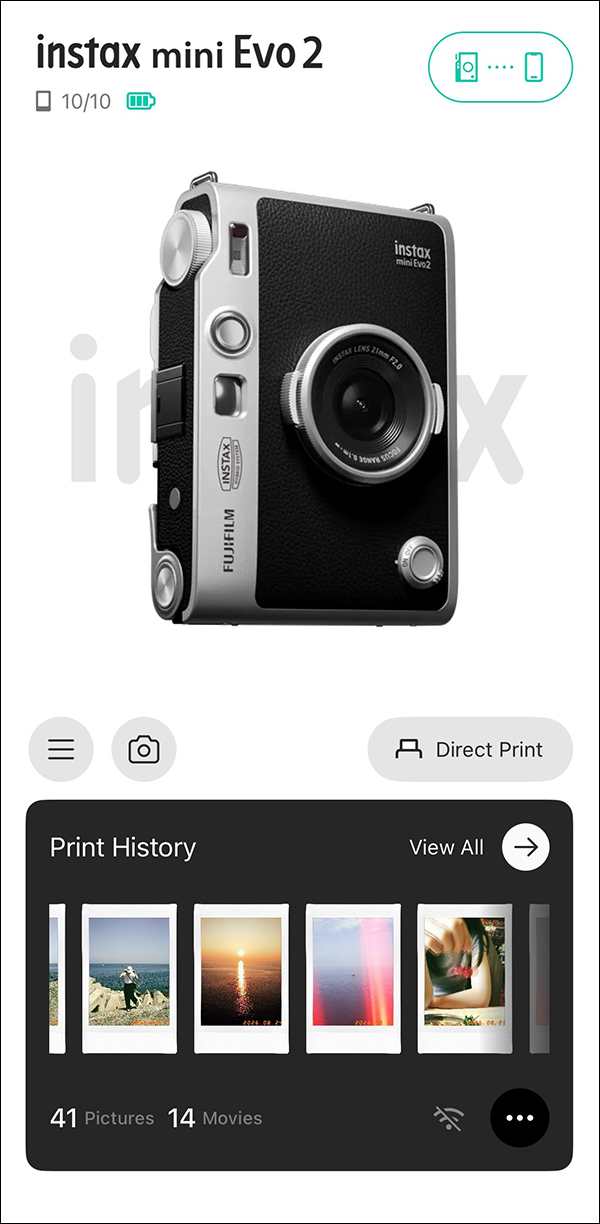
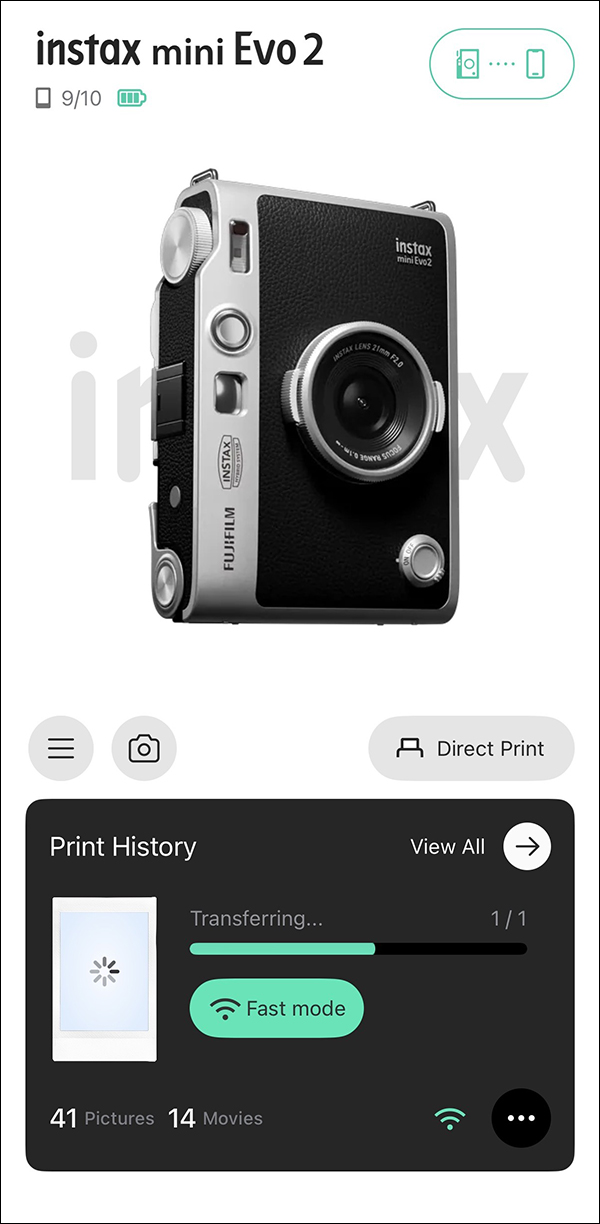
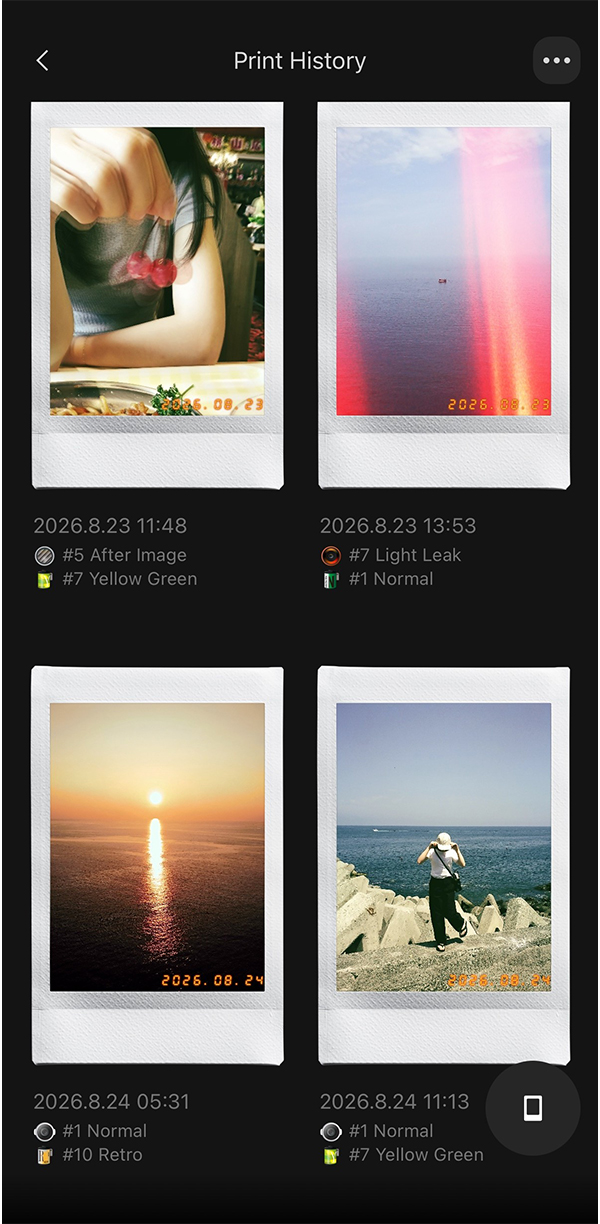
The “mini Evo 2” enables users to create images that reflect their individuality through 100 Shooting Effects created by combining 10 Lens Effects and 10 Film Effects, as well as through composition using the “instax Expanded View™” mode. With the “instax Immersive Movie™” function, users can also record the moments leading up to the shutter release, creating a more immersive shooting experience. To communicate the unique appeal of the “mini Evo 2,” which allows users to revisit not only the moment a photo was taken but also the story behind it, Fujifilm will launch a global marketing campaign under the message, “show how you see the world.” Through online channels, social media, in-store promotions, and other touchpoints, Fujifilm will bring the appeal of the “mini Evo 2” to a wider audience.
Since its original launch in 1998, the instax™ series of instant cameras has embraced trends and evolving technologies with time and expanded its lineup to include not only analog instant cameras, but also hybrid instant cameras using digital technology, smartphone printers and palm-sized digital camera. The instax™ continues to offer diverse ways to enjoy photography, broadening the user base in more than 100 countries.
* instax, instax mini Evo, instax Expanded View and instax Immersive Movie are registered trademarks or trademarks of FUJIFILM Corporation.
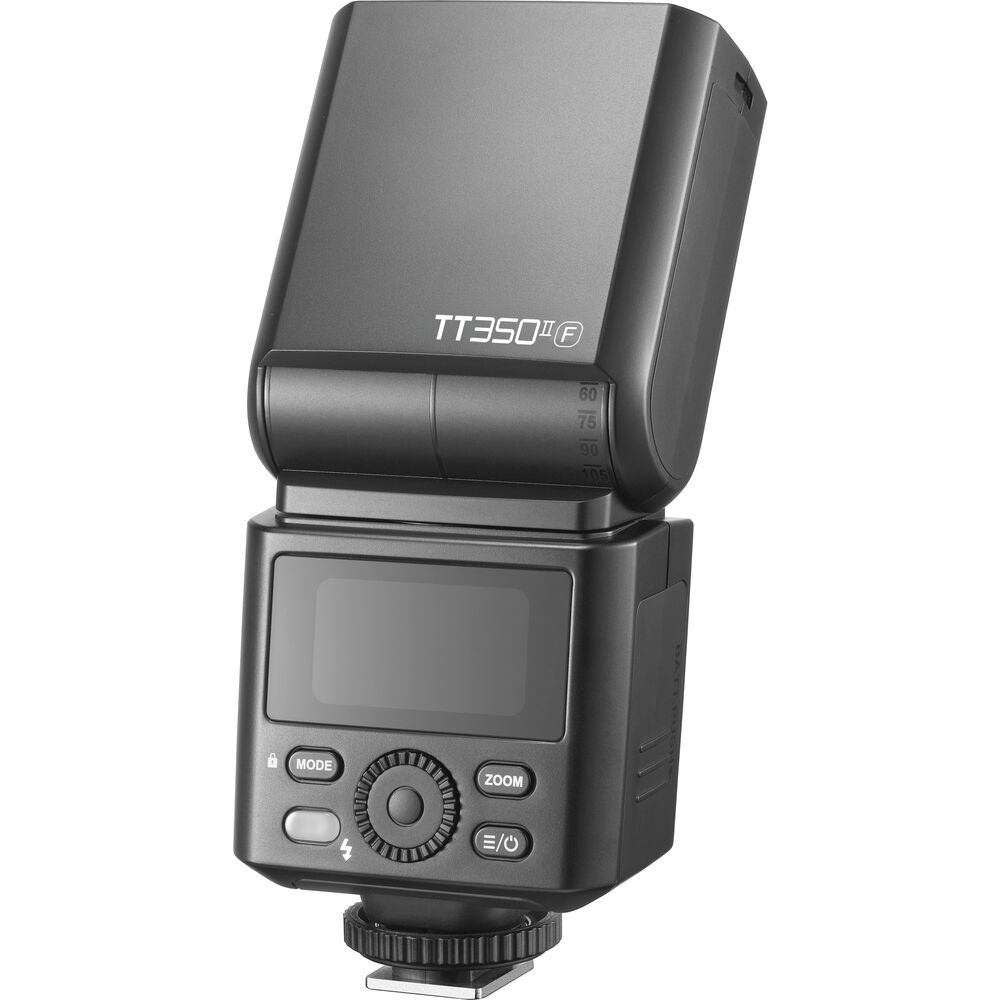
Godox TT350 II F Thinklite TTL Flash for FUJIFILM:
B&H Photo / Amazon
Godox has announced the upgraded TT350II ThinkLite TTL, a compact yet powerful flash featuring a new menu interface, new focus assist features, and much more.
Taking after higher-end models, the TT350II features a built-in LED modeling light to assist focusing in low-light conditions. This feature can also be used to preview lighting angle and effect before taking the shot. More prominently featured is the updated HD color display, which presents key functions and settings clearly for easy operation.
Despite now giving users better low-light focus assistance and an updated display, this flash remains largely the same as its predecessor, and for good reason. Carried over from the original TT350, as well as every other flash in Godox’s lineup, is the brand’s signature 2.4 GHz Wireless X System for seamless control over multi-light setups. Additionally, it’s powered by two AA batteries, which keeps the overall size and weight down compared to larger models.
This flash also offers a wide range of shooting angles, featuring a vertical tilt range of -7 degrees to 120 degrees with 270 degrees of horizontal rotation. This range is essential when bouncing the light off of walls, ceilings, and reflectors. The TT350 can be further modified with an additional adapter ring, allowing quick switching between various modifiers, including color gels and dome diffusers.
Giving the TT350II even more practical applications are the many professional functions it offers. The flash supports a range of flash functions, from TTL auto flash to Manual Flash— even High Speed and Front Curtain Sync, depending on camera model. Whether you’re looking for an easy point-and-shoot style of shooting, or desire more control of your lighting, the TT350II from Godox is a great solution.
The TT350II ThinkLite TTL comes with a diffuser cover, mini stand, and cover, but can be kitted out with additional optional light shaping accessories via the aforementioned adapter ring. This flash will be available for Sony, Canon, Nikon, Fujifilm, and OM SYSTEM/Panasonic cameras. If you’d like to learn more about this portable, lightweight flash, check out the TT350II ThinkLite’s detailed product page.

The Fujinon XF50-140mmF2.8 R LM OIS WR is being marked as discontinued abroad as stock runs out. It should be replaced with the Fujinon XF50-140mmF2.8 R LM OIS WR II soon, and it should be announced alongside the Fujifilm X-T6.
via asobinet

Topaz Labs is currently running a massive 50% off promotion across its industry-leading AI photo and video enhancement suite. If you have been holding off on adding Topaz to your post-processing workflow—or need to renew or upgrade your existing tools—this is one of the steepest discounts they offer all year.
Topaz has evolved far beyond simple noise reduction, packing local GPU acceleration alongside cloud rendering options and next-generation generative recovery models:
Topaz Studio (50% Off — $34.50/mo, down from $69/mo): The all-in-one bundle that unlocks every Topaz application, unlimited local rendering, unlimited cloud image rendering, and 300 monthly cloud video credits.
Whether you are rescuing a fast-action shot taken at ISO 12,800, cropping in tight on distant wildlife when your telephoto lens couldn’t quite reach, or cleaning up noisy low-light video without turning skin textures into plastic, Topaz’s local AI models preserve genuine optical detail better than standard NLE and RAW editor sliders.
Grab the Topaz Labs 50% Off Deal Here before the promotion ends.


The Thypoch 24-50mm f/2.8 announced in March for E-mount will also come to Fujifilm X-mount. Optical limits already put out a review for this lens on E-mount also.
